


If you’re manufacturing an aluminum product, ensuring it has a strong, durable, and visually appealing surface finish is essential. With numerous finishing options on the market, making the right choice can feel overwhelming.
This article highlights and compares two of the most common aluminum surface finishing techniques: anodizing and powder coating. Whether you want to learn more about these treatments or are deciding which one is the best fit for your project, this guide will help you make a confident and informed decision.
What is Anodizing?
Aluminum naturally develops a thin layer of oxide on its surface when exposed to air. This oxide layer is passive, meaning it no longer reacts with the surrounding environment — and it protects the rest of the metal from the elements.
Anodizing is a surface treatment for aluminum parts that takes advantage of this oxide layer by thickening it. Technicians take the aluminum piece, such as an extruded part, submerge it into an electrolytic bath, and run an electric current through it.
By using aluminum as the anode in the circuit, the oxidation process occurs on the surface of the metal. It creates an oxide layer thicker than the naturally occurring one.
This artificial oxide layer enhances the properties of the naturally-formed oxide layer, such as resistance to wear and corrosion, increased heat dissipation, and improved glue and primer adhesion. The resulting surface is also perfect for adding dyes, and the finishing service provider can recycle the chemicals in the electrolytic bath for future anodizing projects.
Please refer to our anodized aluminum article to know more about this process and its advantages.
What is Powder Coating?
When aluminum is exposed to air, it naturally forms a thin oxide layer on its surface. This layer is passive, meaning it no longer reacts with the environment and serves as a protective barrier against corrosion.
Anodizing is a specialized surface treatment that builds upon this natural property by intentionally thickening the oxide layer. During the process, aluminum components such as extruded profiles are submerged in an electrolytic bath while an electric current is applied. Using the aluminum part as the anode, controlled oxidation occurs on the surface, producing an oxide layer that is much thicker and stronger than the one formed naturally.
This enhanced oxide layer provides significant benefits, including improved resistance to wear and corrosion, better heat dissipation, and stronger adhesion for primers or adhesives. It also creates an ideal surface for dyeing, offering a wide range of aesthetic options. Additionally, the electrolytic bath chemicals can be recycled, making anodizing an efficient and sustainable finishing method.
For a deeper look at the process and its advantages, explore our detailed article on anodized aluminum.
Anodizing vs. Powder Coating: How They Compare
The table below provides a clear side-by-side comparison of anodizing and powder coating as aluminum surface finishing methods.
|
Anodizing |
Powder Coating |
| Can be applied in extremely thin layers, resulting in only minimal changes to the part’s dimensions. | Capable of producing thick, durable coatings, but challenging when a thin, precise layer is required. |
| A wide selection of metallic colors available, featuring smooth and refined finishes. | An extensive variety of colors and textures can be achieved, allowing for truly customized finishes. |
| With efficient electrolyte recycling, anodizing stands out as an environmentally friendly finishing process. | The process does not use any solvents, which makes it a safe and environmentally friendly finishing method. |
| Delivers excellent protection against wear, scratching, and corrosion, ensuring long-lasting durability. | Offers good corrosion resistance when the surface remains uniform and intact. However, compared to anodizing, it is more susceptible to wear and scratches. |
| Highly resistant to color fading when the chosen dye has adequate UV resistance and the surface is properly sealed. | Maintains vibrant color and finish with outstanding resistance to fading from UV light. |
| Creates a protective finish that renders the aluminum surface electrically non-conductive. | The coating provides some electrical conductivity, but it is lower than that of bare aluminum. |
| This can be a costly process. | Offers a more cost-effective solution compared to anodizing. |
Typical Uses for Anodizing and Powder Coating
When comparing anodizing vs powder coating applications, each method offers unique advantages depending on performance and design requirements.
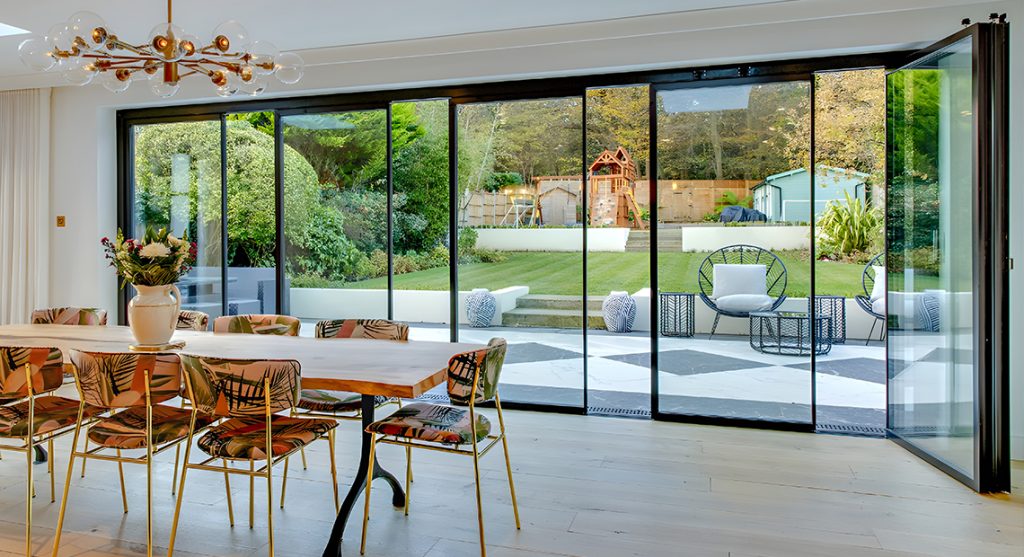
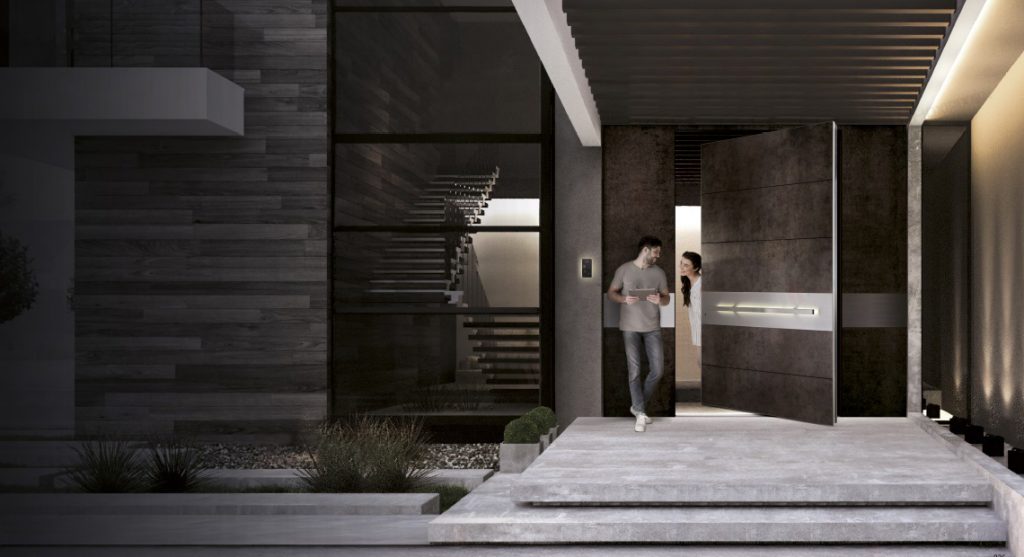
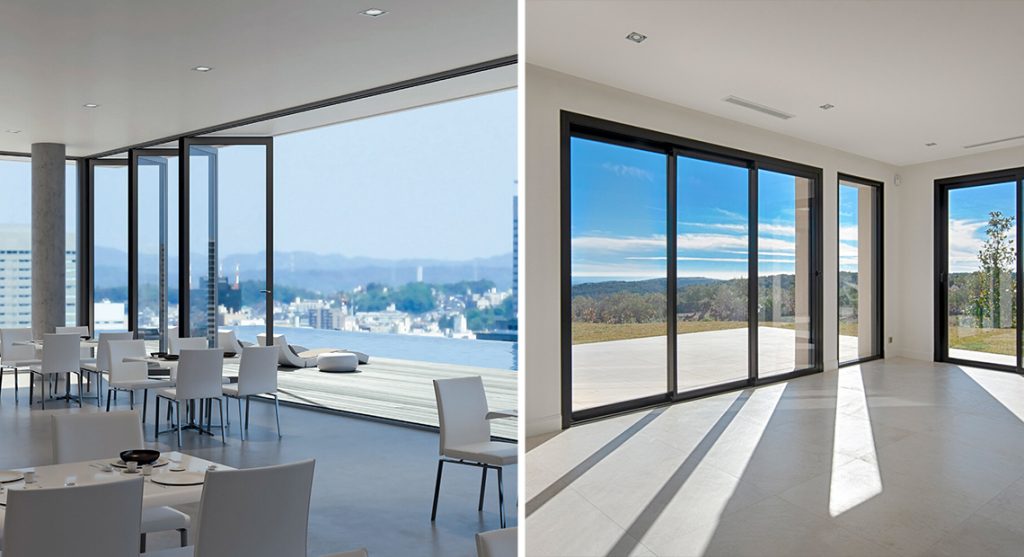
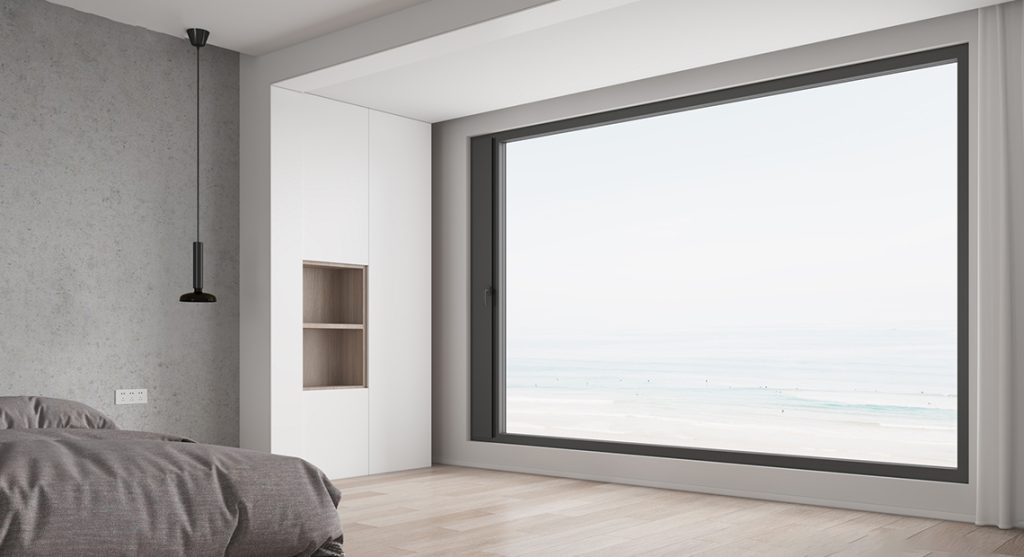
Anodizing is the preferred choice for aluminum products that demand superior corrosion and wear resistance. Common anodizing applications include aluminum doors, windows, facades, appliances, furniture, sporting goods, electronic devices, and automotive components.
Powder coating, in contrast, is often selected for projects that require bold colors, excellent resistance to UV fading, and long-lasting durability. Typical powder coating applications include outdoor architectural elements such as aluminum frames, bathroom fixtures, and gutters, as well as household appliances, automotive parts, lawn equipment, playground structures, and even fire hydrants.
By understanding the strengths of anodizing vs powder coating applications, designers and manufacturers can make the right choice to balance performance, durability, and visual appeal.
Which Aluminum Surface Finish Is Best for Your Needs?
Your choice of aluminum surface finish ultimately depends on the specific application of your product. Both anodizing and powder coating are highly sustainable finishing options, offering excellent performance while being environmentally friendly.
Anodizing is the preferred solution when precise dimensional control, superior corrosion and wear resistance, and a refined metallic appearance are required. It is also ideal for products that need effective heat dissipation or will undergo glue or primer applications.
Powder coating, on the other hand, is best suited for achieving long-lasting vibrant colors and distinctive textures, even in outdoor environments. It delivers reliable protection at a more cost-effective price point compared to anodizing.
By understanding the differences between anodizing and powder coating, you can select the most suitable finish for your aluminum doors.


 DE